 By awtech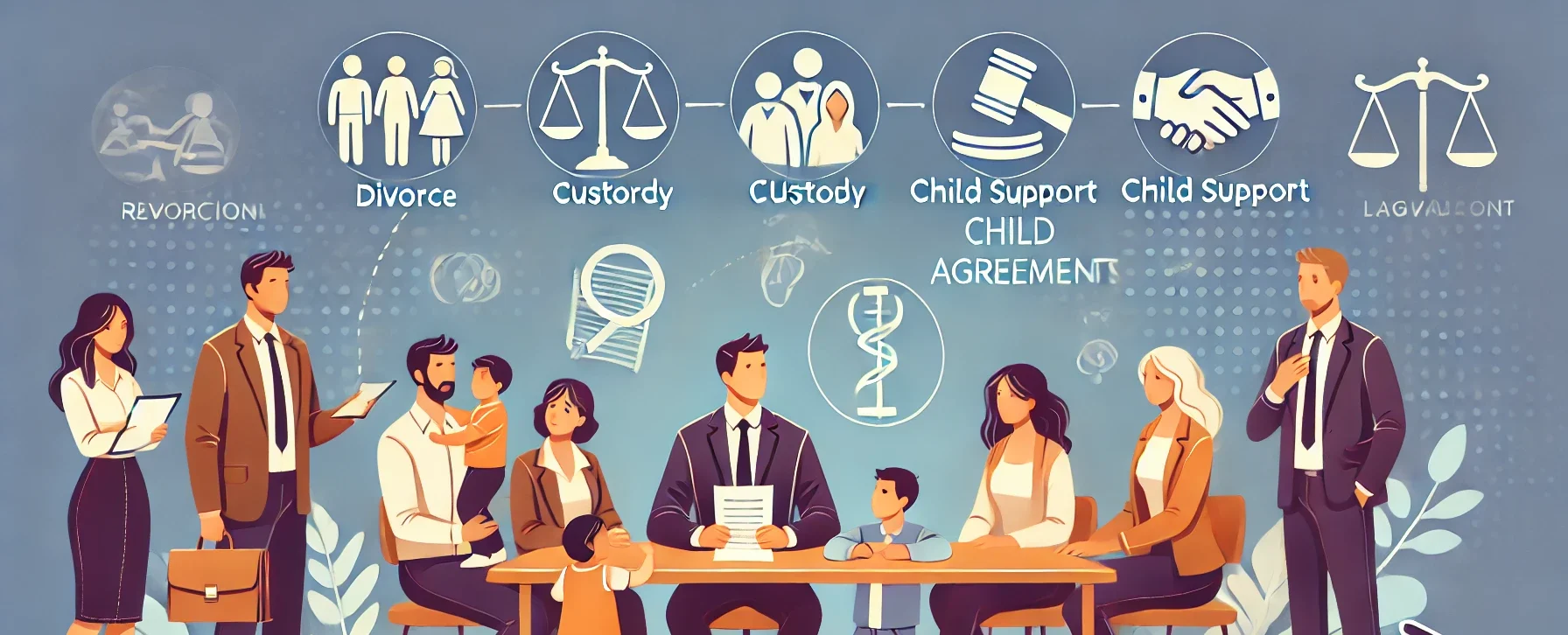
What is Family Law?
Family law encompasses legal matters involving family relationships such as marriage, divorce, child custody, and support. These cases often involve sensitive and emotional issues, making it essential to understand the basics of family law and how it impacts individuals and families. Here, we explore the key aspects of family law, including divorce, custody, and other important topics.
1. Divorce
Divorce is the legal process of dissolving a marriage. It can involve several steps and issues, depending on the complexity of the situation.
Types of Divorce
- Uncontested Divorce: Both parties agree on all terms, including property division and custody, making the process faster and less costly.
- Contested Divorce: Disagreements on terms require court intervention, which can be lengthy and expensive.
Key Issues in Divorce
- Division of Assets: Property and debts are divided based on state laws (community property or equitable distribution).
- Spousal Support: Also known as alimony, it may be awarded to support one spouse financially after divorce.
2. Child Custody
Child custody determines where children will live and how decisions about their upbringing will be made.
Types of Custody
- Legal Custody: The right to make major decisions about the child’s life, such as education and healthcare.
- Physical Custody: Determines where the child lives. It can be sole (with one parent) or joint (shared between both parents).
Factors Considered in Custody Cases
- The child’s best interests, including their emotional and physical needs.
- The parent’s ability to provide a stable home environment.
- The child’s relationship with each parent.
3. Child Support
Child support is a financial obligation paid by the non-custodial parent to assist with the child’s expenses.
How It’s Determined
Child support is typically calculated based on state guidelines, which consider factors like the income of both parents and the child’s needs.
Enforcement
Failure to pay child support can result in legal actions, including wage garnishment, fines, or license suspension.
4. Adoption
Adoption creates a legal parent-child relationship between individuals who are not biologically related.
Types of Adoption
- Private Adoption: Arranged through an agency or independently between birth and adoptive parents.
- Foster Care Adoption: Adopting a child who is in the foster care system.
Adoption Process
- Completing background checks and home studies.
- Finalizing the adoption through a court order.
5. Domestic Violence and Protective Orders
Family law also addresses issues of domestic violence and provides legal protections for victims.
Protective Orders
Also known as restraining orders, these court orders prevent an abuser from contacting or approaching the victim.
Resources for Victims
Victims can access shelters, legal aid, and counseling services to ensure their safety and well-being.
6. Paternity and Parental Rights
Establishing paternity is essential for determining parental rights and responsibilities.
Why Paternity Matters
- It ensures the child has access to financial support from both parents.
- It grants the father legal rights to custody or visitation.
Methods of Establishing Paternity
- Voluntary acknowledgment signed by both parents.
- DNA testing ordered by a court.
7. Mediation and Alternative Dispute Resolution (ADR)
Mediation and ADR are increasingly used to resolve family law disputes outside of court.
Benefits
- It is less adversarial, fostering cooperation between parties.
- It is often faster and more cost-effective than litigation.
When to Use Mediation
Mediation is ideal for cases where both parties are willing to negotiate and work toward a mutual agreement.
Navigating Family Law Challenges
Family law issues can be emotionally taxing, but understanding the basics can help you navigate the process more effectively. Whether you’re dealing with divorce, custody, or adoption, seeking guidance from an experienced family law attorney is crucial. By addressing these matters with knowledge and support, you can work toward resolutions that prioritize the well-being of all parties involved.