 By awtech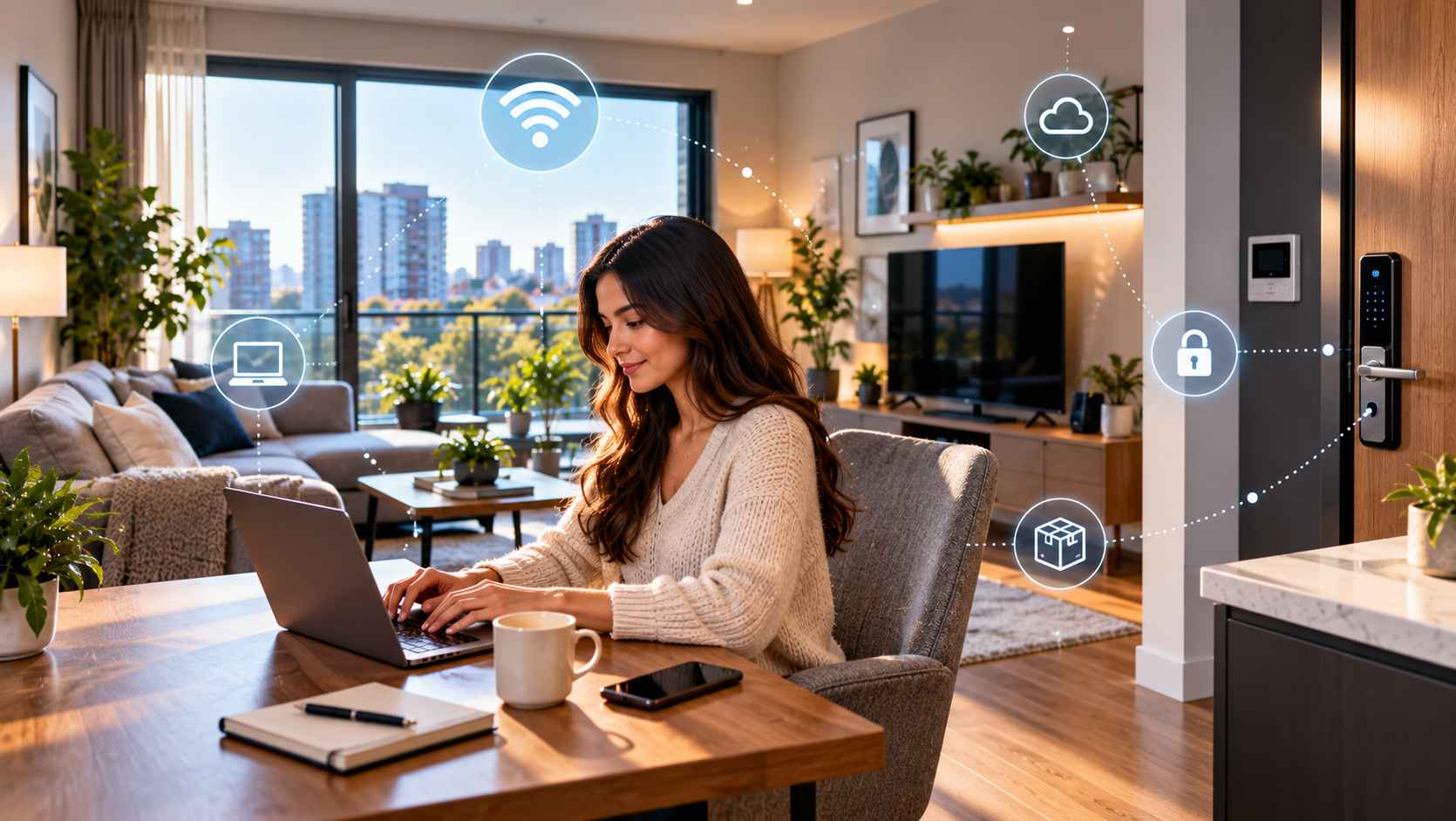
A rental apartment is no longer just a place to sleep, cook, and store your belongings. For many people, home is also a workplace, entertainment space, study area, communication hub, and place where much of daily life depends on reliable technology.
That makes technology worth considering when choosing a rental home. A fast internet connection may be important for remote work, while convenient access systems, adequate electrical outlets, and practical building communication can affect everyday comfort.
Technology should not be the only factor in a rental decision, but understanding the digital and electrical environment before signing a lease can help renters avoid surprises.
Start With Your Connectivity Needs
Internet access is one of the first technology considerations for modern renters.
Before choosing an apartment, think about how much you rely on connectivity. Someone who mainly checks email and browses the web may have very different requirements from someone who works remotely, attends frequent video meetings, streams entertainment, plays online games, or manages connected devices throughout the home.
Ask what internet options are available at the property and whether you need to arrange your own service.
Do not assume that every building provides the same options. Availability can vary by property, location, and service provider.
It is also useful to consider where you expect to use the internet most. A home office located far from the main router may experience different connectivity than a laptop used beside it. The construction and layout of an apartment can also affect wireless coverage.
Think About Wi-Fi Coverage
Having internet service and having strong Wi-Fi throughout an apartment are not necessarily the same thing.
The router’s location, walls, apartment layout, and the number of connected devices can all influence the wireless experience.
During a viewing, think about where you would place your router and where you would normally use connected devices.
If you work from a bedroom, use a television in a separate living area, or regularly move around the apartment with a laptop or tablet, consider whether the layout makes sense for your needs.
Renters should also understand that improving Wi-Fi may involve equipment or changes that are not appropriate for every rental property. Ask questions before installing additional hardware or making any permanent changes.
Consider the Home Office
Remote and hybrid work have made home connectivity particularly important for many renters.
If you work from home, look beyond whether an apartment technically has enough space for a desk.
Consider where the desk would be located, whether there are convenient electrical outlets, whether the area is reasonably quiet, and whether the location works well for your internet connection.
Think about video calls as well.
A workspace beside a busy hallway, television, kitchen, or shared wall may create distractions that are not obvious during a short viewing.
Lighting and background also matter for people who regularly participate in video meetings.
The best workspace does not necessarily need to be a separate room. A practical corner with appropriate connectivity, power, and privacy may be enough.
Count the Electrical Outlets
Electrical outlets are easy to overlook when viewing an apartment, especially when the space is empty.
Think about how many devices you normally use in each room.
A living room may need power for a television, streaming device, speakers, lamps, gaming equipment, chargers, and other electronics. A home office might need outlets for a computer, monitor, printer, desk lamp, and charging equipment.
Bedrooms can have similar demands from lamps, phones, alarm clocks, and other devices.
The goal is not to fill every wall with electronics. It is simply to consider whether the existing arrangement suits your normal routine.
Avoid creating complicated extension-cord arrangements simply because the apartment does not have convenient outlet placement.
Look at Entertainment Setup Options
Televisions and entertainment equipment can influence how a living room is arranged.
Before choosing an apartment, consider where a television would realistically go and whether furniture can be positioned comfortably around it.
Think about sunlight, viewing angles, available outlets, and nearby connections.
If you use speakers, game consoles, streaming devices, or other equipment, consider how they would fit into the room without creating unnecessary cable clutter.
Renters should also check before mounting equipment to walls or making other permanent changes. Some installations may require permission or may not be appropriate for the property.
Planning the setup before moving in can prevent the common situation where furniture has to be rearranged simply to accommodate technology.
Ask About Building Access Technology
Some residential properties use electronic access systems, intercoms, controlled entrances, or other technology to help manage access to shared areas.
The specific systems vary between buildings, so renters should ask what applies to the property they are considering rather than making assumptions.
If an apartment has an intercom or electronic entry system, understand how residents and visitors use it.
Also consider practical questions about deliveries and guests.
For example, if you regularly receive packages or have visitors, knowing how building access works can help you understand whether the arrangement fits your routine.
Technology should make everyday access understandable rather than becoming another source of confusion.
Consider Digital Maintenance and Communication
Technology can also influence how renters communicate with property management.
Some properties may provide online systems for maintenance requests, communications, payments, or other resident services, while others may use different methods.
The important thing is to understand the process that applies to the property you are considering.
Ask how maintenance concerns are reported and how residents receive important building communications.
A digital system can be convenient, but clear communication matters more than the specific technology being used.
Renters should also keep basic records of important communications and requests when appropriate, particularly when an issue needs follow-up.
Pay Attention to Packages and Deliveries
Online shopping has made package delivery a regular part of apartment living for many households.
If you frequently receive deliveries, consider how packages are handled at the property.
Ask whether there is a designated delivery area or another process for receiving items. The answer can vary between buildings, so it is worth confirming before moving in.
This is particularly relevant for people who work from home and may receive frequent deliveries during the week.
The objective is not to find a building with the most sophisticated delivery technology. It is simply to understand how the process fits your lifestyle.
Think About Cellular Reception
Internet service receives most of the attention, but mobile reception is another useful consideration.
Cellular performance can vary depending on location, building construction, network provider, and the particular device being used.
If reliable mobile calls are important for your work or personal life, check your phone in different areas of the apartment during a viewing if possible.
Do not assume that strong reception outside the building guarantees the same experience indoors.
A quick practical check can reveal something that may otherwise only become apparent after moving in.
Consider the Building’s Age and Infrastructure
Older and newer buildings can have different technology infrastructure.
That does not automatically make one better than the other.
Instead, it is a reason to ask practical questions.
Older apartments may have fewer conveniently located outlets or different wiring arrangements. Newer buildings may incorporate more modern infrastructure, but renters should still confirm what is actually available rather than assuming a building includes a particular technology.
The same principle applies to networking.
A property may have excellent internet availability but a layout that creates challenges for wireless coverage. Another may have a different arrangement that works better for a particular household.
Technology should therefore be evaluated as part of the individual property rather than judged solely by the building’s age.
Remember That Management Matters Too
Technology is only one part of the rental experience.
A convenient internet setup will not compensate for a property that does not fit your location, budget, layout, transportation, or maintenance expectations.
When comparing professionally managed apartment communities, including options such as professionally managed apartment communities, renters should look at the broader experience as well: building upkeep, communication, maintenance processes, and how the property fits their daily routines.
The technology itself is less important than whether it supports a comfortable and practical living environment.
Think About Privacy and Connected Devices
Smart speakers, cameras, televisions, doorbells, voice assistants, and other connected devices can add convenience, but renters should think carefully about privacy and permissions.
If you bring your own smart devices into an apartment, understand what information they collect and how they connect to your network.
For building-provided technology, ask reasonable questions about how systems are used and what information residents may be expected to provide.
Avoid making assumptions about security, surveillance, or data handling. The specific technology and policies can differ between properties.
A thoughtful approach is to understand what a system does before relying on it.
Plan for Charging and Device Storage
Modern households often have more rechargeable devices than they realise.
Phones, tablets, laptops, headphones, watches, cameras, gaming equipment, and other electronics can quickly create a collection of charging cables.
Consider where these devices will be charged and stored.
A small, organised charging area can be more practical than having cables spread across several rooms.
Again, the goal is not to add more technology. It is to make the technology you already use easier to manage.
Technology Should Support the Rental Decision
When choosing an apartment, it is tempting to focus on impressive features and overlook ordinary practical details.
For technology, the opposite approach can be more useful.
Ask simple questions. Can you get the internet service you need? Is the apartment suitable for your home office? Are outlets positioned conveniently? Can your entertainment equipment fit comfortably? Do building access and communication systems make sense? Is cellular reception adequate for your needs?
Then put those answers alongside the bigger questions about rent, location, building condition, maintenance, transportation, privacy, and lifestyle.
The right apartment does not need to have every modern technology feature.
It needs to provide an environment where the technology you actually depend on can work comfortably and practically.
By considering connectivity and digital convenience before signing a lease, renters can make technology part of a broader housing evaluation rather than discovering important limitations only after moving day.